
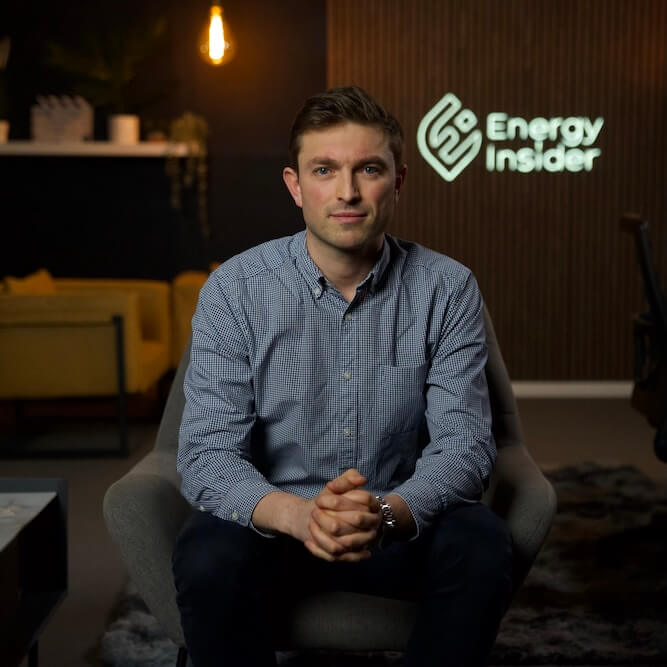
Mark Wilson
Project Manager – De-Energisation, TAQA Group
MEng – Master of Engineering, University of Glasgow
Module: Topside De-Energisation
Biography
Mark Wilson is a decommissioning project leader within TAQA Group, specialising in de-energisation and engineering transition during late-life offshore asset retirement.
He has led the Tern Alpha De-Energisation & Disembarkation programme, overseeing the structured shutdown, isolation and preparation of offshore systems ahead of removal activity. His role required disciplined coordination across maintenance, engineering and offshore operations teams to ensure systems were safely rendered inactive and aligned with decommissioning readiness standards.
Prior to this, Mark served as Maintenance & Engineering Superintendent on Tern Alpha, giving him direct operational leadership experience within a live producing asset. This operational grounding informs his approach to de-energisation, ensuring that transition planning reflects real-world platform conditions rather than theoretical process models.
Earlier in his career, Mark held mechanical engineering roles on major North Sea developments, including the Buzzard Phase II project at Worley and brownfield projects with Amec Foster Wheeler. He holds a Master of Engineering degree from the University of Glasgow.
Mark’s expertise lies in bridging operations and decommissioning, ensuring that engineering systems are transitioned safely, methodically and with full technical assurance before final removal phases commence.
Experience & Expertise
- De-energisation programme leadership
- Engineering transition to removal
- Tern Alpha De-Energisation & Disembarkation programme lead
- Structured shutdown and isolation planning
- Maintenance & Engineering Superintendent experience
- Cross-functional coordination across operations and engineering
- Mechanical engineering on major North Sea developments
- Master of Engineering, University of Glasgow
Training Course Module
Learn from Mark
Join our comprehensive decommissioning training course and learn directly from those actively delivering decommissioning projects.